PersonalFeatured
What Six Months of Remote Work Taught Me About Communication
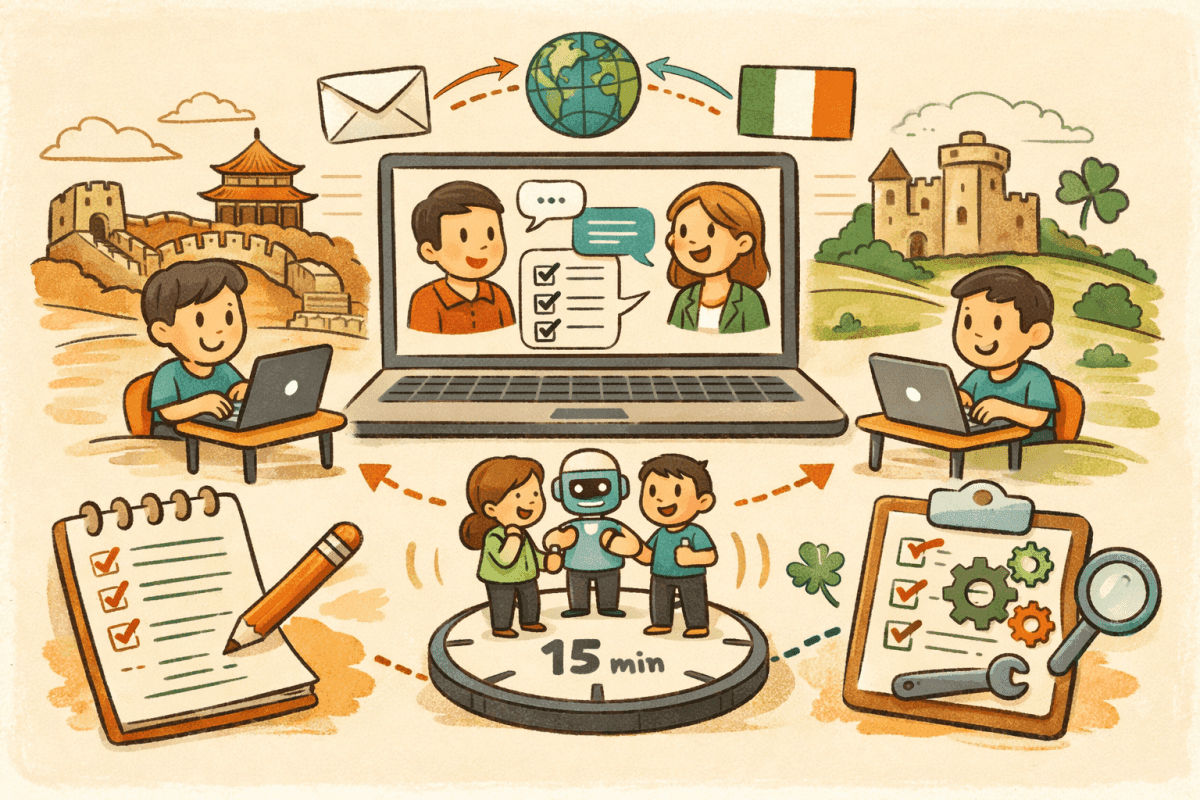
Working remotely with a split team across China and Ireland has sharpened my async communication skills, emphasizing clarity in written messages to avoid misinterpretations. Daily 15-minute standups have become crucial for aligning on project blocks and updates, preventing small misalignments from escalating. This experience has transformed my approach to problem-solving, leading to more deliberate engineering and improved documentation practices.
C
Cary Li
February 23, 2026
2 min read
161 views
I've been working remotely with a team split across China and Ireland for the past six months. Our BA is in Dublin. Our daily standup bridges a seven-hour time gap. Here's what I've learned.
Async Is a Skill
Before remote work, I could tap someone on the shoulder for a quick answer. Now I have to think before I write: Is this clear enough that the other person can act on it without asking me back? Writing good async messages — specific, self-contained, with enough context — is something I had to deliberately practice.
Standups Are More Important Than They Look
A daily 15-minute standup with someone seven time zones away sounds like overhead. It isn't. It's the one moment where you sync on what's actually blocked, what changed overnight, and what the day looks like. Without it, small misalignments compound into real delays.
English Is a Skill Too
My written English is functional. But there's a difference between functional and clear. I've started paying more attention to sentence length, word choice, and structure — not to sound fancy, but to reduce the chance that someone misreads what I meant.
The Unexpected Upside
Remote work has made me a more deliberate engineer. When you can't just ask someone quickly, you spend more time thinking through the problem yourself first. I've noticed I interrupt less, read more carefully, and write better documentation than I used to.
What I'd Tell Someone Starting Out
Get comfortable with async communication early. Don't wait to be blocked before you write an update. And don't underestimate how much clearer you need to be in writing compared to in-person conversation.